

If you’re interested in eyewear and/or love quirky museums, this is the place for you! The venue is small but densely packed!
I only wish I’d discovered it earlier!
The videos are also worth watching - most are short, no more than a few minutes, and most are old (pre-1980s).
ADDRESS: 42 Craven Street, London, WC2N 5NG, UK (a few minutes’ walk from Trafalgar Square in Central London)
British Optical Association Museum (The College of Optometrists) - London, UK
This is the oldest known donation to the British Optical Association: spectacles dating from 1850s that were sent from India to the UK in 1909.
The BOA today has over 30,000 items and actively seeks out new acquisitions.
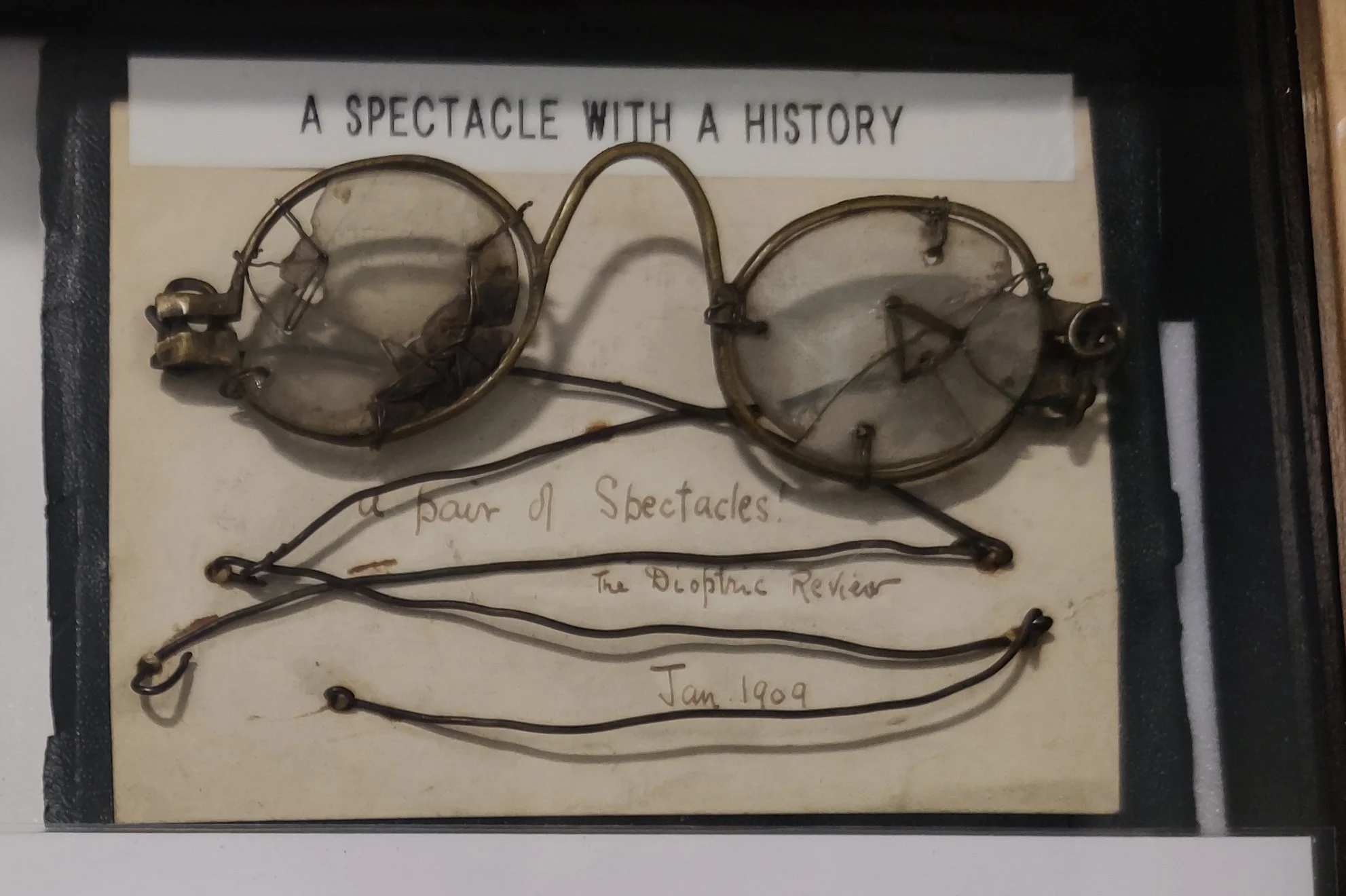
Although it’s generally accepted that spectacles originated in Venice, Florence or Pisa in the late 13th century, most examples from that period have been discovered in Germany, the Low Countries and nothern Europe.
This is a replica of a book dated 1403 with glasses inside the cover! A great idea for the scatterbrained among us!
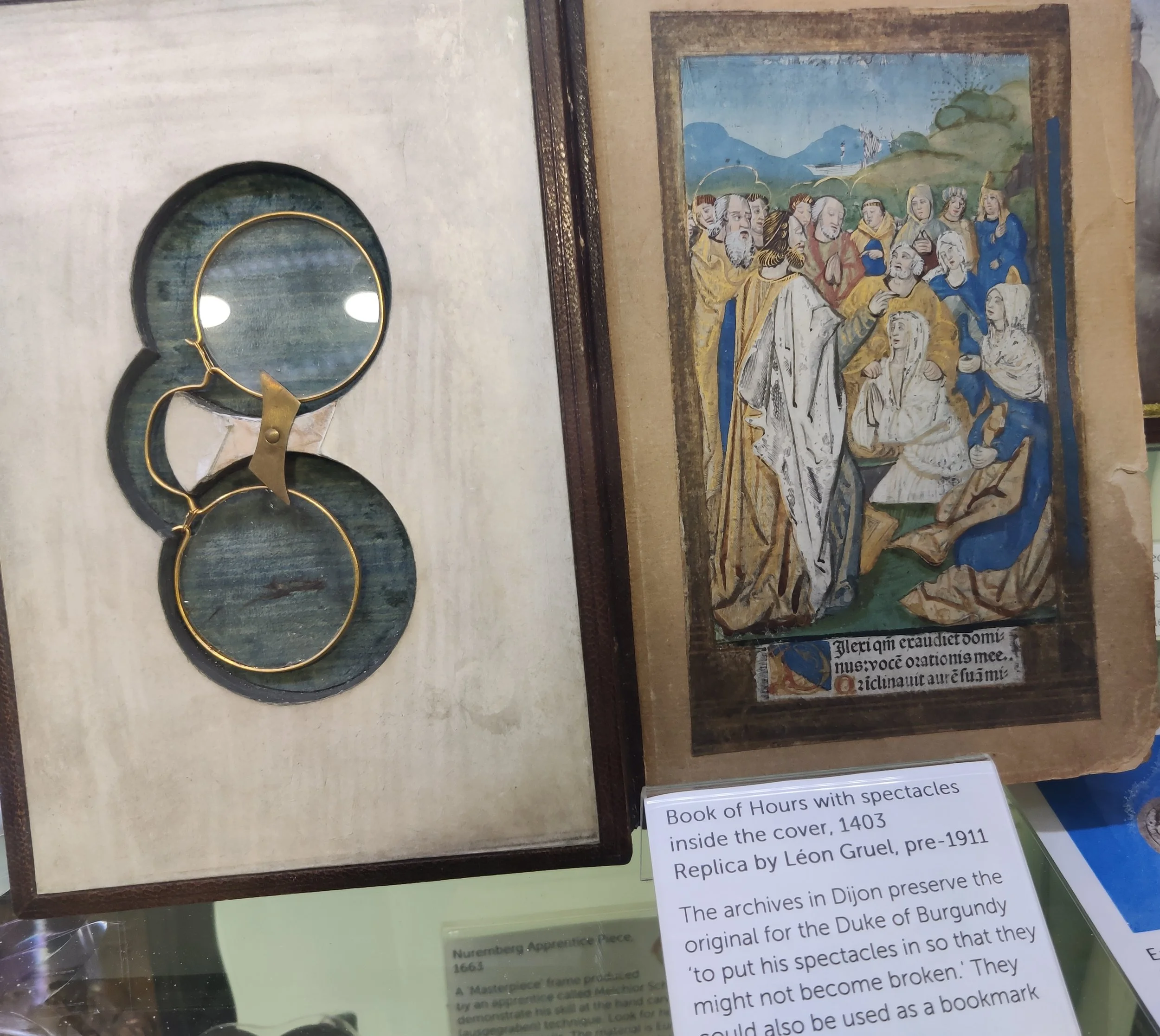
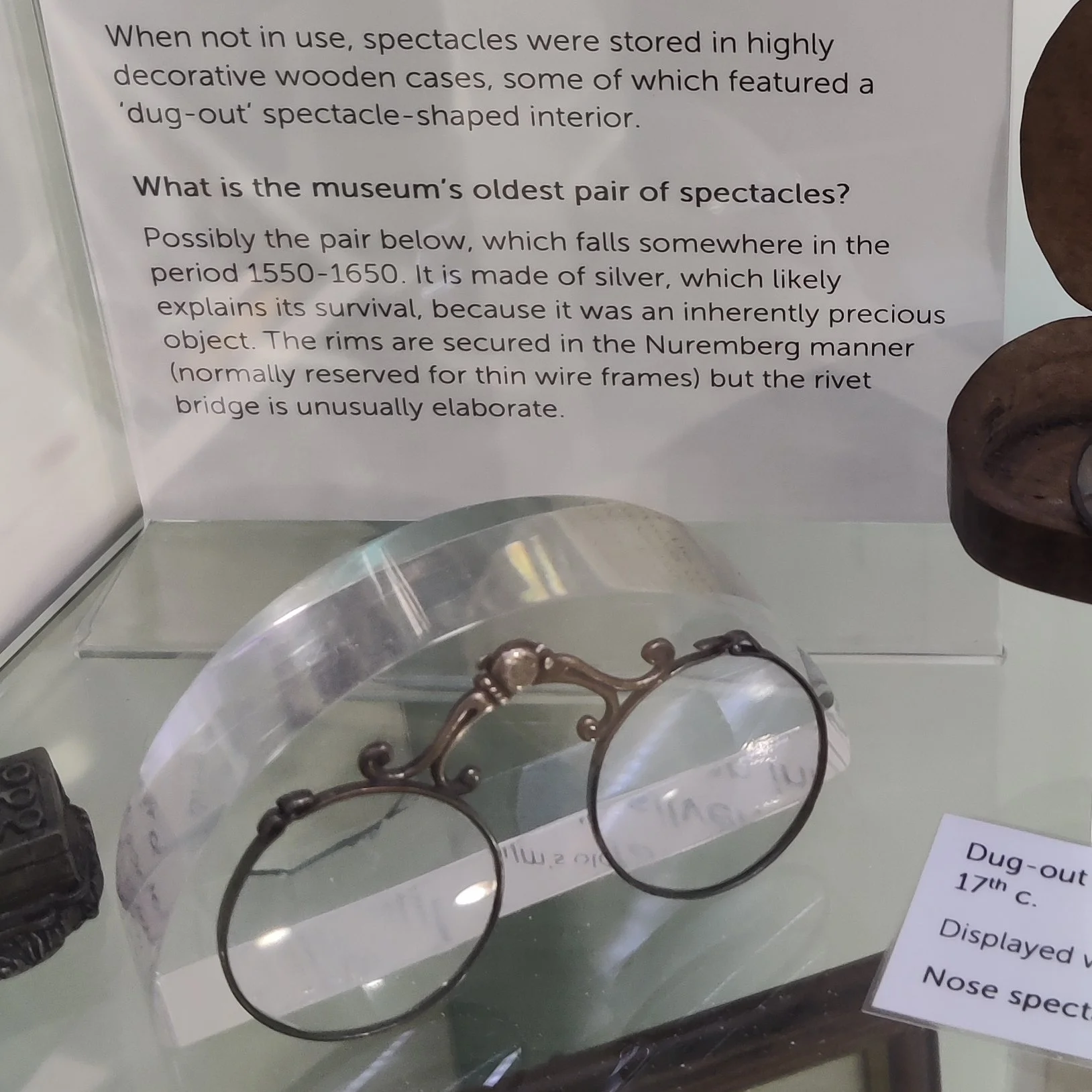
The earliest glasses sat on the nose - they didn’t usually stay in place so had to be held there.
This is an example dated 1550-1650, the oldest glasses in the museum’s collection.
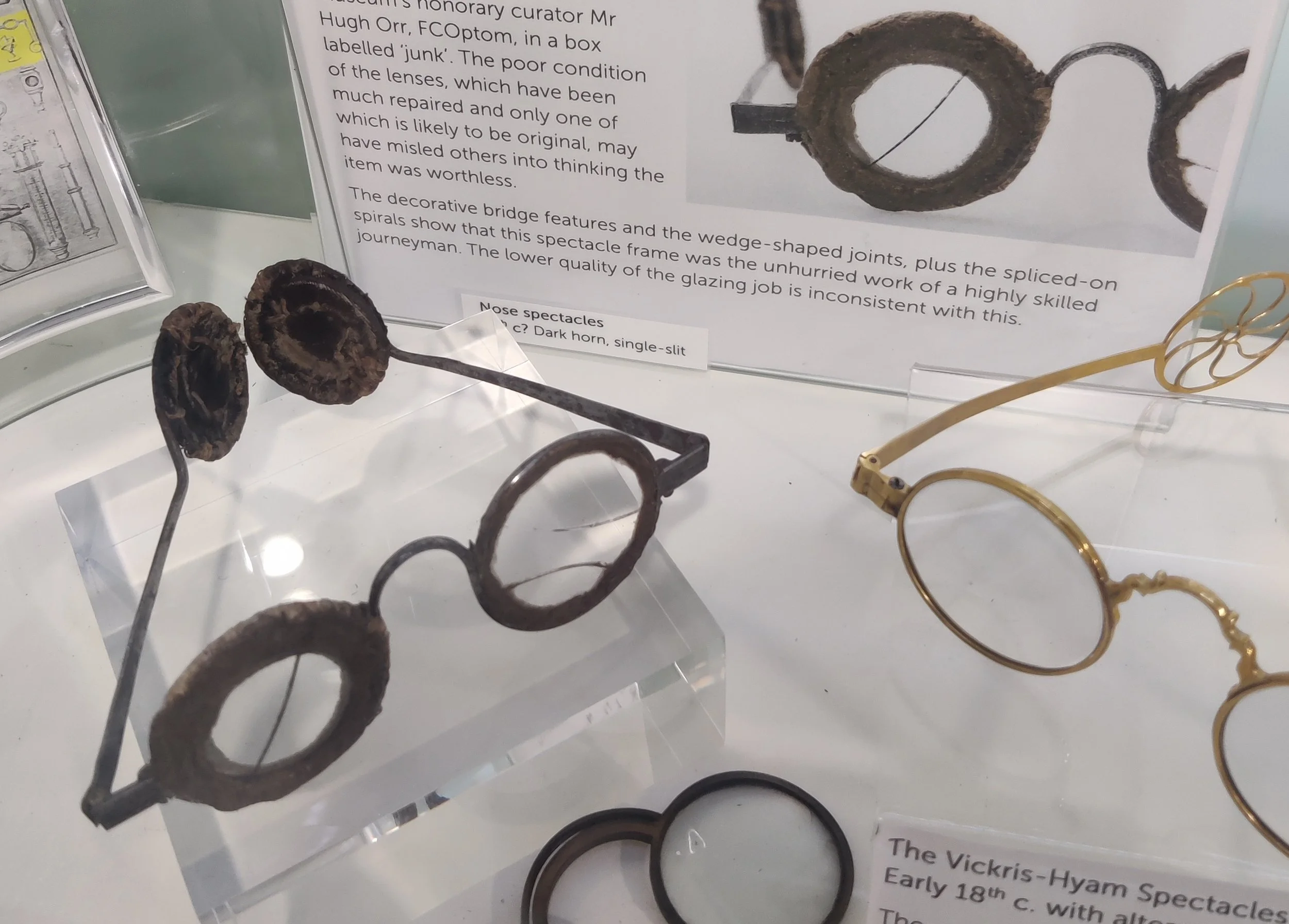
Glasses with temples (colloquailly called the “arms” or “sides”) are more familiar to us today. They were invented in the 1720s.
This is one of the earliest pairs, a design named after Edward Scarlett Senior, who ran “The Old Spectacle Shop” in Soho and was appointed optician to King George II in 1727. I’m not sure what in particular makes the design Scarlett-type. Perhaps the spiralled round ends of the temples, which are visible in the glasses on the right (the oldest pair has personalised covers - presumably for comfort and for better hold).
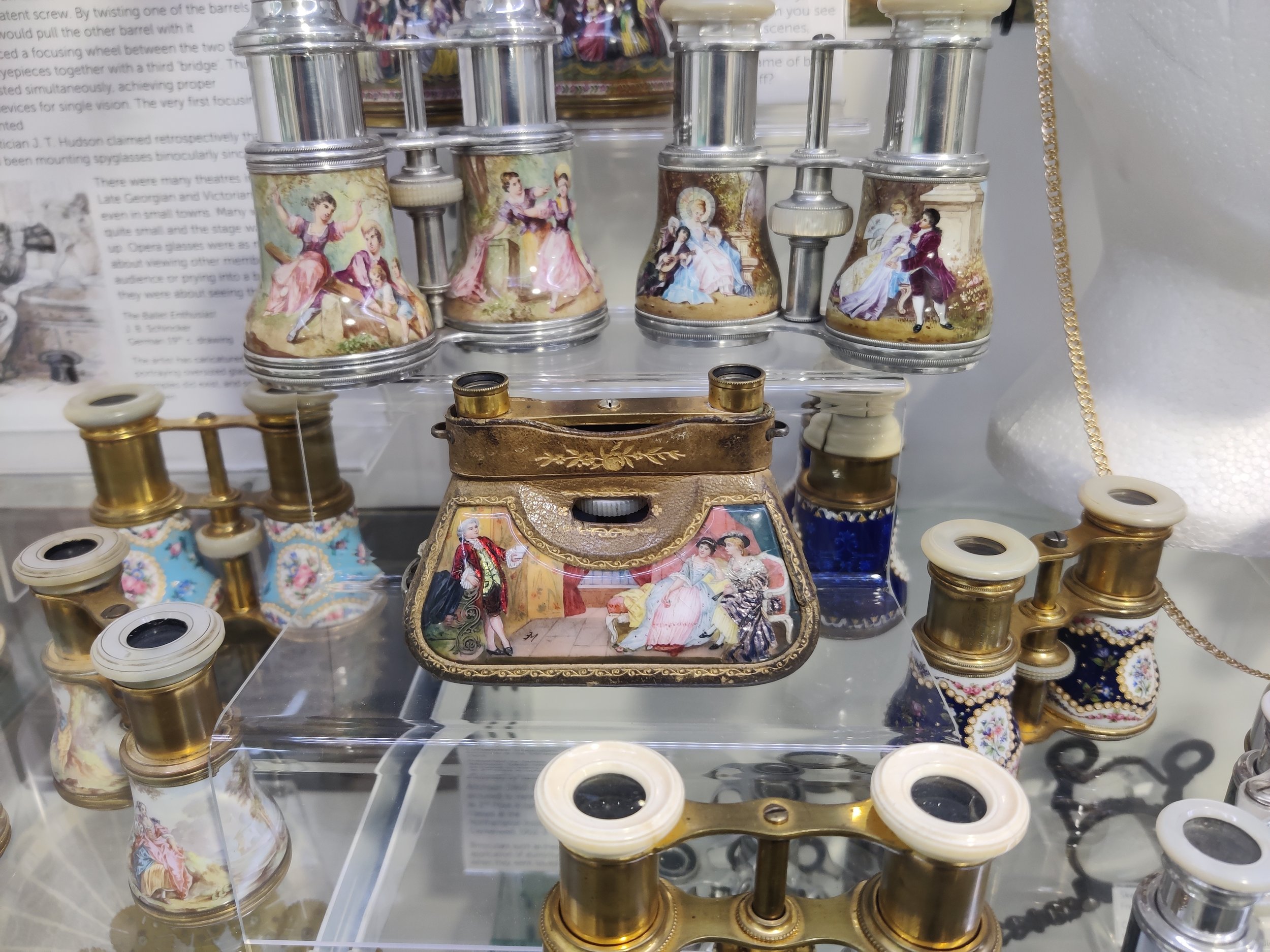
Did you know? The first binoculars were for indoor use, specifically opera glasses. These examples from the late Georgian and Edwardian periods are quite stunning. Apart from getting a better view of the stage, opera glasses were apparently used just as much for spying viewing other audience members and for dignitaries in the boxes.
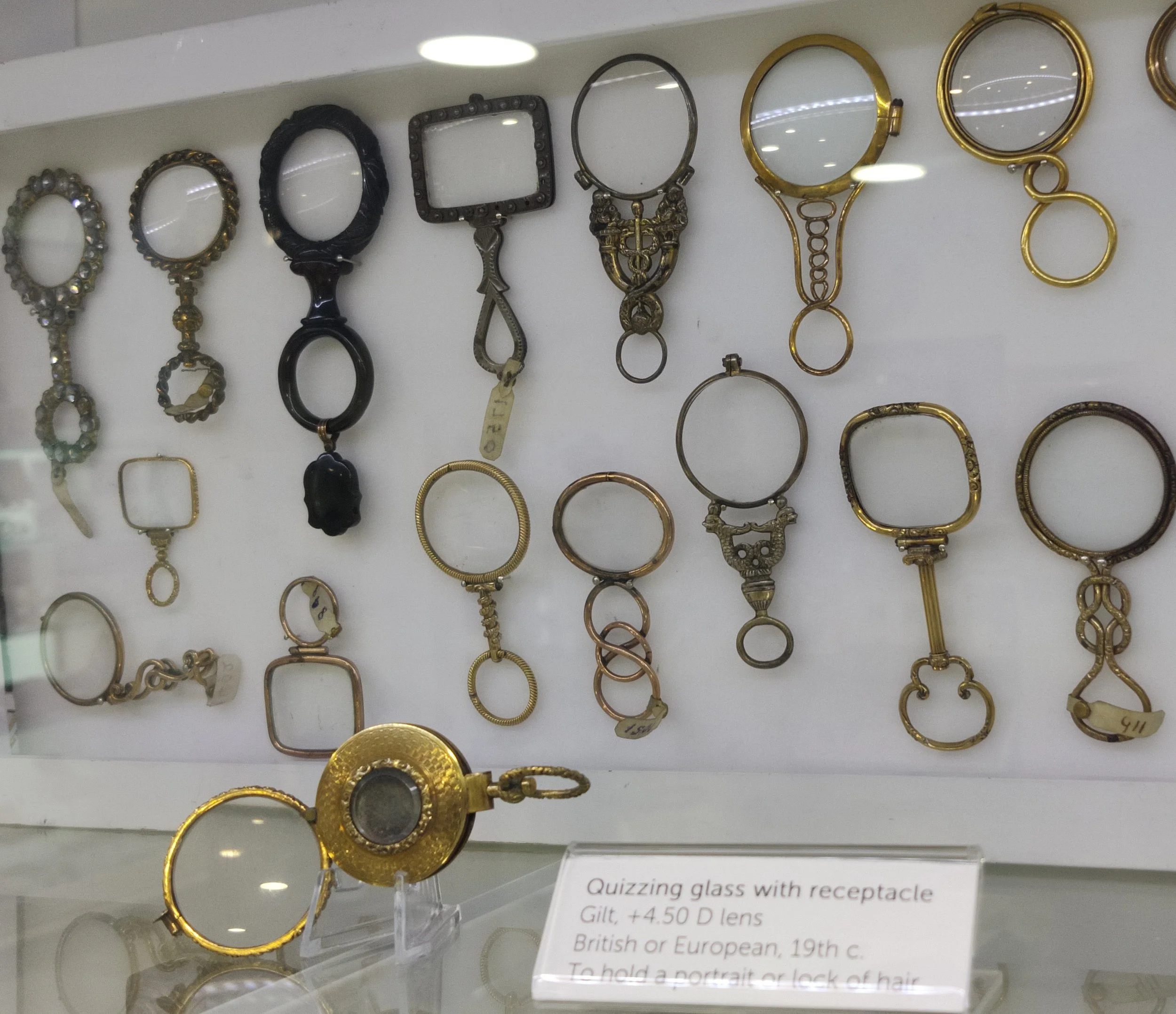
Quizzing glasses (or simply quizzers), consisting of a single handheld lens, were popular from the early 18th century. In the Victorian era, they were sometimes worn on chains around the neck. Their popularity declined from 1850.
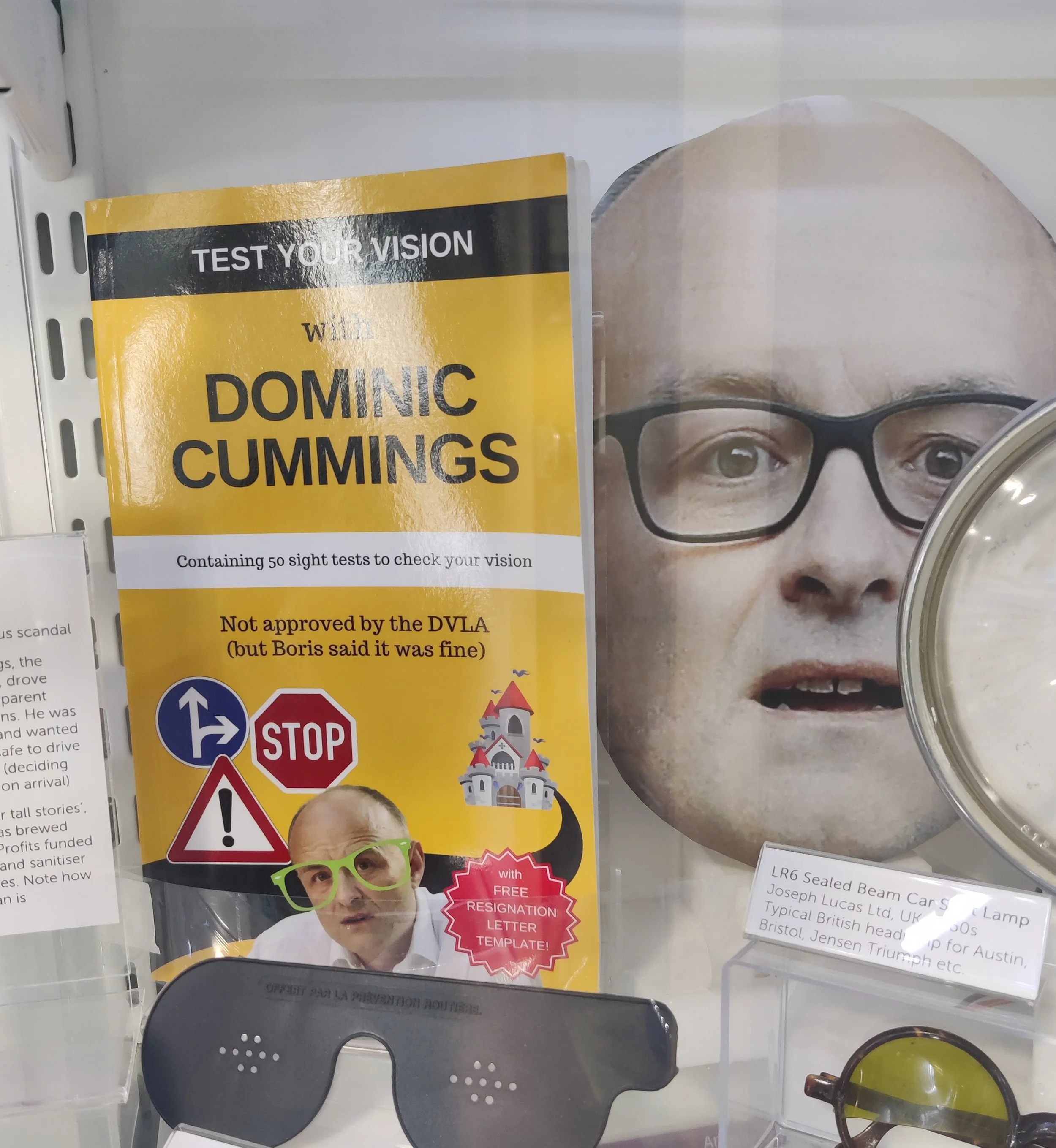
This was a refreshing piece of levity!
It’s an allusion to the feeble excuse put forward by Dominic Cummings – at the time, senior advisor to Prime Minister Boris Johnson – for breaking COVID-19 lockdown restrictions. More in this short video (1m10s) on the BBC.
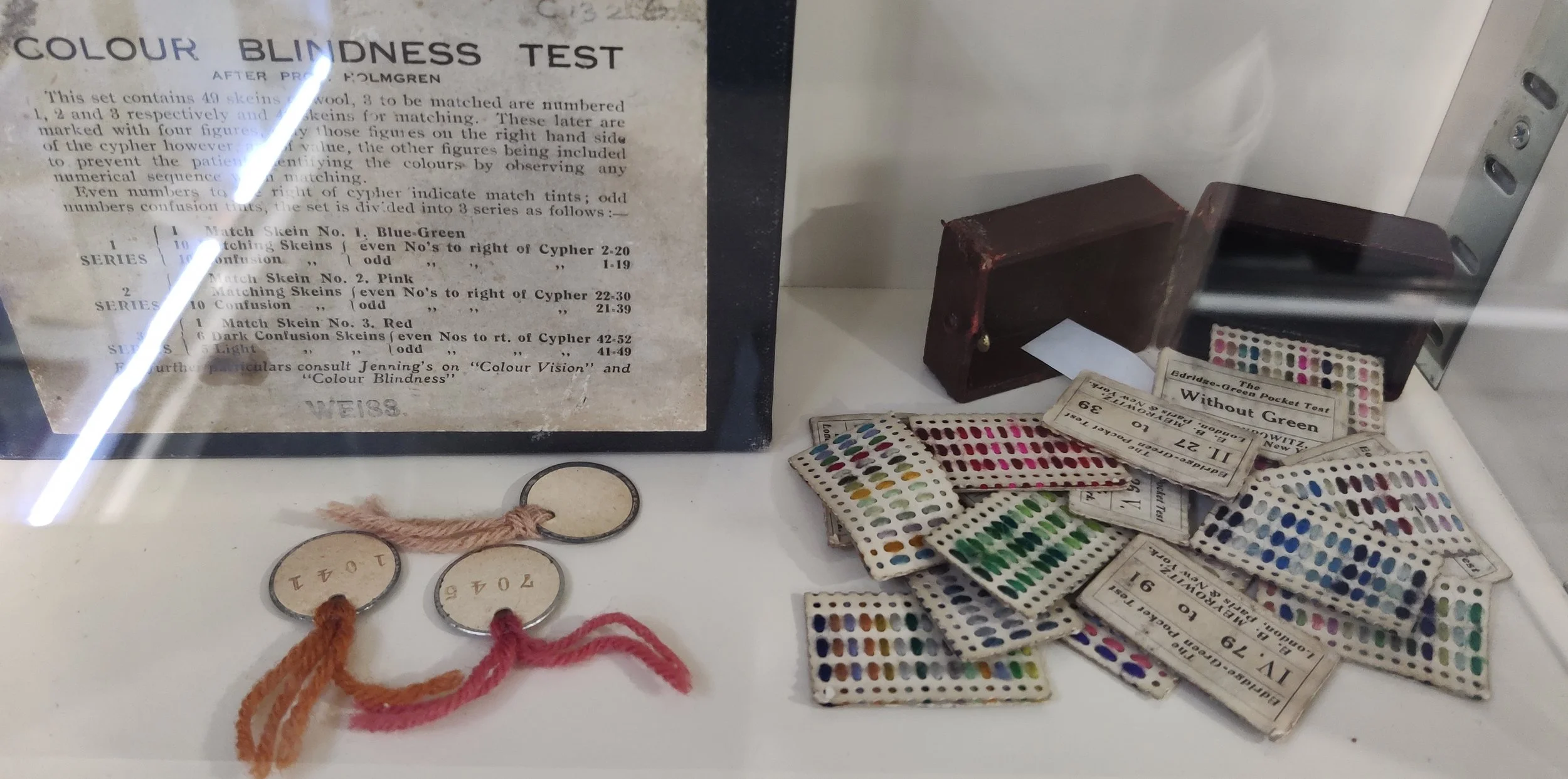
I think most of us are familiar with Ishihara’s plates for testing for different types colour blindness (more properly called colour vision deficiences given that there are many different types and black-and-white vision is very rare).
This colour blindness test, developed by a certain Professor Holmgren, used different coloured wool skeins*. The subject was given skeins of three colours and had to find the closest match for each from the hundred of colours available.
* A lovely word, don’t you agree? (Dictionary definition)
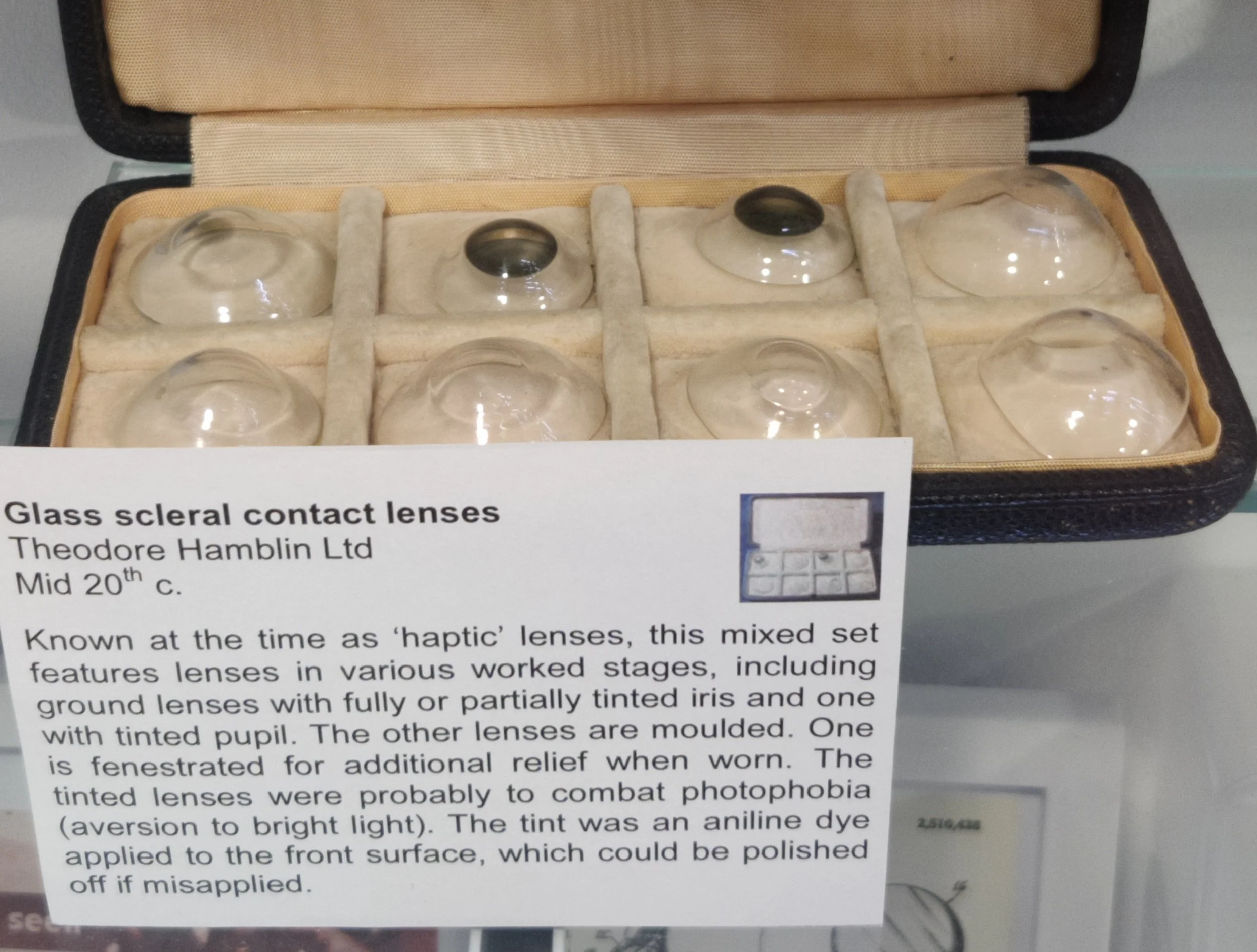
Imagine wearing one of these contact lenses! Ouch!
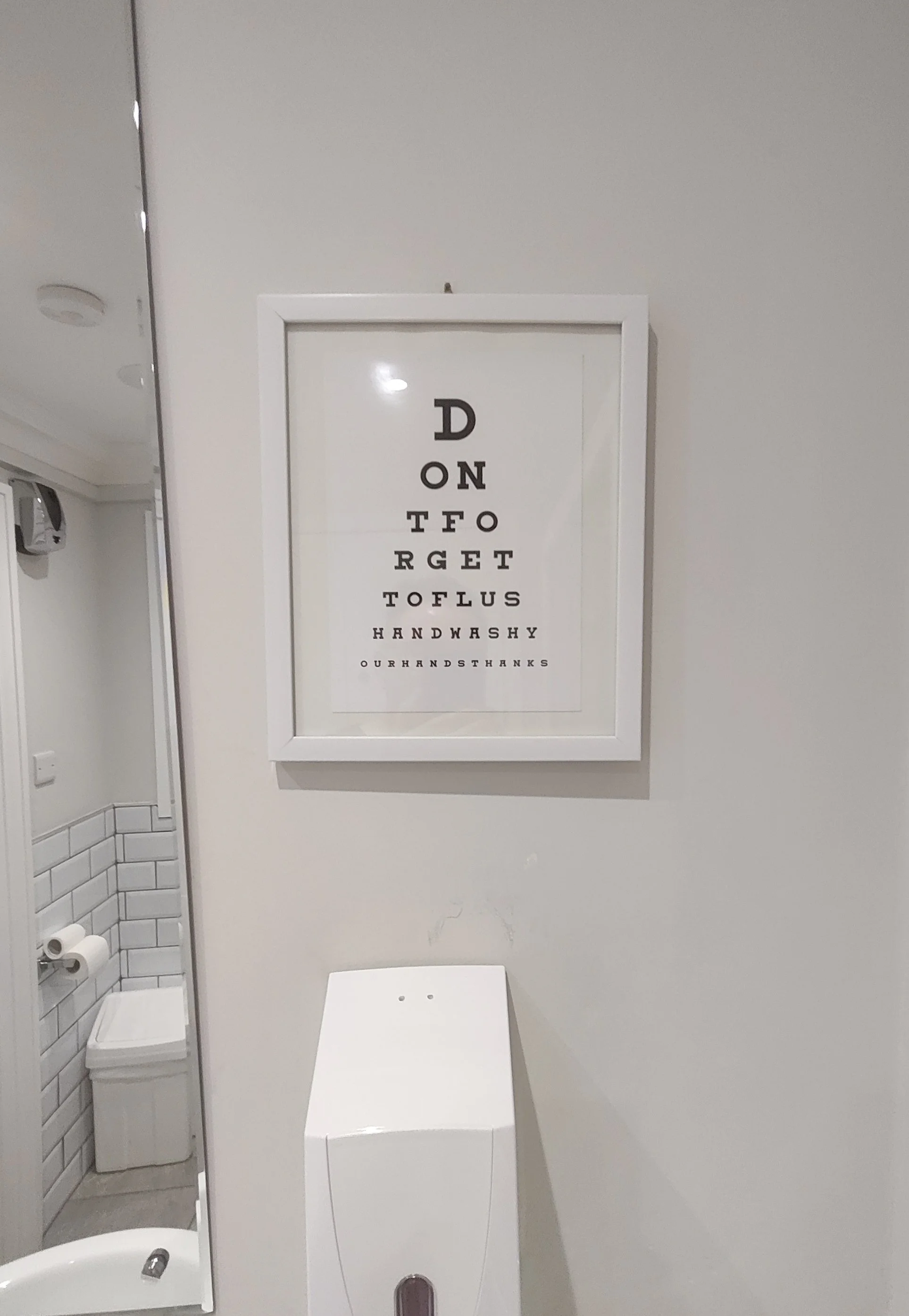
Optometrists have a zany sense of humour!
medical text matters
Your medical expert for language services
Please note that this is an extremely slimmed-down version of my website for smartphone screens. For the full version, please visit my website on a larger screen on a tablet, laptop or desktop computer.
SquareSpace’s Fluid Editor broke my soul.
Services
Translation
I can take on most translation projects in the medical field in the following language combinations:
French to English,
Greek to English,
Spanish to English.
Editing services
If you have a text that is already in English, I can — depending on how finalised it is — either proofread it or edit it to make it publication-ready. Editing is for texts that still need substantial changes to become publication-ready. Proofreading should be the very last check before a text is published. As a proofreader, I check for errors at the level of individual characters and words such as missing punctuation or misspelt words.
If you’re not sure whether your document requires editing or proofreading, send it to me so I can evaluate it — I’ll also provide a quote and delivery date at no cost and no obligation to you.
Other services
As a freelancer, I’m not boxed in by rigid or narrowly defined job descriptions. This means that in addition to the language services mentioned above, I have done other types of work, including subtitling, copywriting, writing scientific article abstracts and, in relation to scientific conferences, reviewing slideshows and designing posters.
Experience (as freelancer)
FIELDS: Medicine | Surgery | Nursing.
PRODUCTS: Traditional small-molecule drugs | Biologicals | Blood-derived products | Medical devices | Imaging devices.
THERAPEUTIC FIELDS: Oncology | Cardiovascular diseases | Endocrinology esp. diabetes and obesity | Haematology | Genetics and rare diseases.
Experience (as employee)
Journalist covering the pharmaceutical sector (2y).
Proofreader / editorial coordinator for a medical publisher (3y).
Writer / editor for a European portal on rare diseases (1y).
Medical writer / translator for a pharmaceutical industry service provider (3y).
Technical writer for a vendor of preclinical research tools (3y).
Let’s talk!
Contact me to discuss your project or to get a free quote.
I can be contacted via:
● the contact form on this website,
● email at either of these addresses:
andytheo.mtm (aτ) gmail.com
contact (aτ) medical-text-matters.com